Explore by body area.
Find a condition or symptom to discuss with your practitioner. Location can help you navigate the information; it cannot identify a diagnosis.
Where would you like to explore?
Select a labelled point to jump to that body area. You can also use the text links above. These diagrams navigate information; they do not diagnose symptoms.
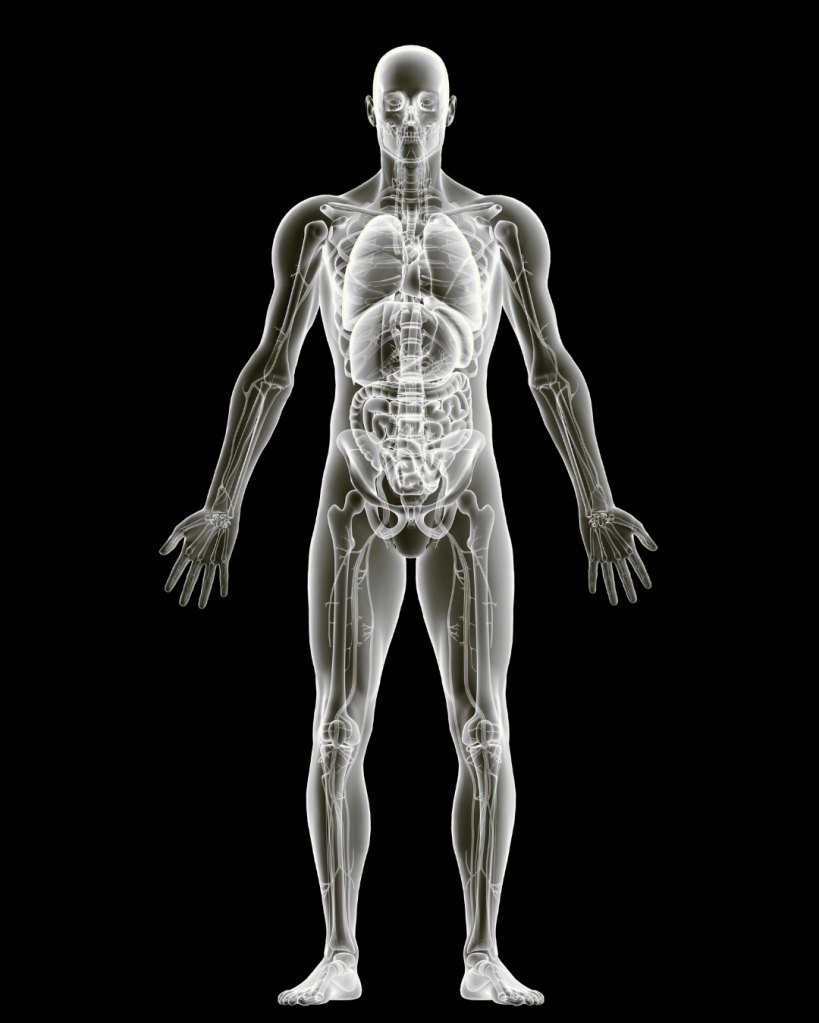
Explore the guides below, organised by body area. Use them to learn common terms and prepare questions for your appointment. A clinician can assess whether the explanation fits your situation.
Seek prompt medical advice for severe, worsening or concerning symptoms, particularly after an accident. Call 000 for a medical emergency.
Head, jaw & neck
Shoulder, elbow & arm
Shoulder pain
Read the guide ↗Rotator cuff tear
Read the guide ↗Shoulder joint dislocation
Read the guide ↗Tennis elbow
Read the guide ↗Back & nerve symptoms
Hip, groin & thigh
Hip pain
Read the guide ↗Pulled hamstring
Read the guide ↗Knee, ankle & foot
Knee pain
Read the guide ↗Foot and ankle pain
Read the guide ↗Heel pain
Read the guide ↗Plantar fasciitis
Read the guide ↗Achilles tendonitis
Read the guide ↗Sport, work & other concerns
Sports injuries
Read the guide ↗Stress fractures
Read the guide ↗Side stitch
Read the guide ↗Women’s health
Read the guide ↗TAC and WorkCover injuries
Read the guide ↗More guides for everyday life, work and sport
Whiplash after an accident
Understand neck symptoms after an accident, when to seek medical help and how an active recovery plan may support everyday function.
Read the guide ↗Concussion in sport
Recognise a possible concussion, prioritise medical assessment and understand why returning to learning and sport requires a staged plan.
Read the guide ↗Shin splints & exercise-related shin pain
Learn why shin pain needs assessment, how training load can contribute and what to ask before returning to running or jumping.
Read the guide ↗Scoliosis
Understand spinal curvature, the importance of monitoring during growth and the questions to ask about exercise, bracing or specialist assessment.
Read the guide ↗Persistent pain
Explore a coordinated approach to ongoing pain that considers daily function, sleep, activity and emotional wellbeing.
Read the guide ↗Falls, balance & staying independent
Learn why falls deserve a review and how a personalised plan can address balance, strength, medicines and home hazards.
Read the guide ↗Workstation comfort & ergonomics
Explore practical changes to your workstation, task variety and work routine, with questions for an individual assessment.
Read the guide ↗Everyday movement & returning to activity
Make room for sustainable activity and understand how general movement recommendations differ from an individual rehabilitation plan.
Read the guide ↗Prepare a useful symptom history
Note when the problem began, whether it followed an injury, which activities bring it on and what has changed over time. Tell your practitioner about symptoms in other areas, relevant medical conditions and any medicines you take.
You do not need to diagnose yourself before arranging an appointment. If you are unsure which service to book, ask the clinic for help explaining your concern and finding an appropriate starting point.

